

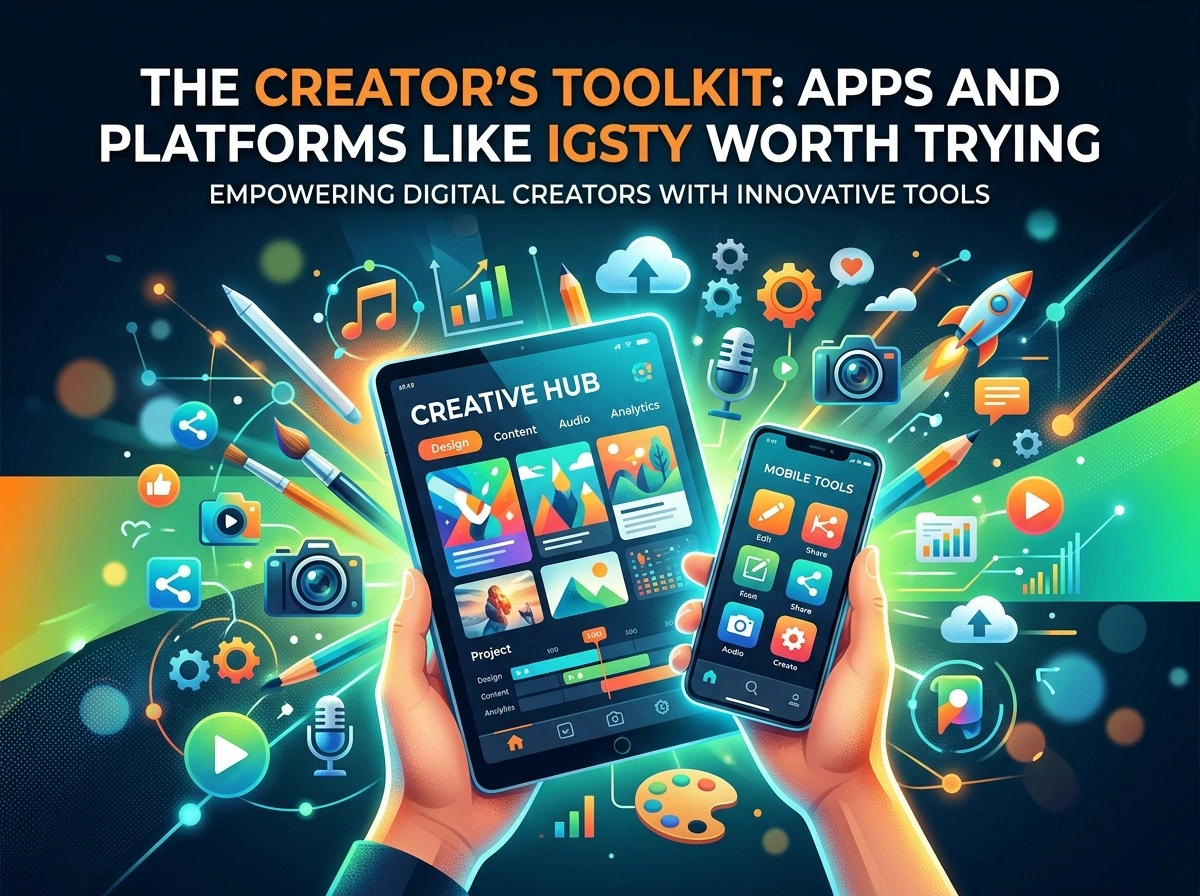
The creator economy has grown into one of the most exciting spaces in the U.S. market. Millions of Americans now earn income by sharing videos, photos, podcasts, newsletters, and online courses. Some do it as a side hustle. Others have turned it into a full-time business. Either way, one thing stays true: the right tools make all the difference.
Building an audience takes more than talent. You need to plan your posts, design eye-catching visuals, track what works, and find ways to make money. Doing all of this by hand can drain your energy fast. That’s where smart apps and platforms come in. They handle the heavy lifting so you can focus on what you love most—creating.
Below, we break down the categories of tools every creator should know, plus standout options worth trying. Whether you’re posting in New York, Austin, or Los Angeles, these picks can help you work smarter and grow faster.
Why a Strong Toolkit Matters
Think of your toolkit as the engine behind your brand. A solo creator wears many hats: writer, editor, marketer, accountant, and customer service rep. Trying to manage all of that without help leads to burnout.
The best tools save time, reduce stress, and improve quality. They also help you stay consistent, which is the secret to growth. Audiences reward creators who show up regularly with polished content. The platforms in this guide are designed to make that consistency easier to reach.
Content Scheduling and Management
Posting at the right time can double your reach. But nobody wants to be glued to their phone at 7 a.m. every day. Scheduling tools solve this problem by letting you plan content in advance.
Platforms like Buffer and Later let you queue posts across Instagram, TikTok, X, Facebook, and more. You can map out a full week or month in one sitting. Many tools even suggest the best posting times based on when your audience is most active.
For creators focused on visual platforms, igsty offers a streamlined way to manage and grow your presence. It blends planning features with audience insights, giving you a clear view of how your content performs. This kind of all-in-one approach saves you from juggling five different apps at once.
When choosing a scheduler, look for these features:
- A clean calendar view for planning ahead
- Support for the platforms you actually use
- Bulk uploading to save time
- Team access if you work with collaborators
Design and Visual Creation
People scroll fast. A strong visual is often the only thing standing between your post and the next swipe. Good design grabs attention and builds trust in your brand.
You don’t need a degree in graphic design anymore. Canva leads the pack here, offering thousands of templates for social posts, thumbnails, and presentations. Its drag-and-drop editor makes professional design accessible to everyone, even total beginners.
For video creators, CapCut and Adobe Express make editing simple. You can add captions, transitions, and music in minutes. Captions matter a lot in the U.S. market, where many viewers watch with the sound off. Adding text overlays keeps your message clear no matter the setting.
A few design tips to keep in mind:
- Stick to two or three brand colors for a consistent look
- Use readable fonts that work on small screens
- Keep your logo or handle visible in every piece
- Save your favorite templates to reuse later
Analytics and Audience Insights
You can’t improve what you don’t measure. Analytics tools show you which posts hit and which missed. This data helps you make smarter choices instead of guessing.
Most platforms offer built-in stats, but dedicated tools dig deeper. They reveal patterns in your follower growth, engagement rates, and best-performing topics. Some even break down your audience by age, location, and interests—useful when your followers stretch across diverse regions of the country.
When you study your numbers, focus on these key signals:
- Engagement rate: likes, comments, and shares relative to your reach
- Watch time: how long viewers stay with your videos
- Follower growth: steady gains over time, not just spikes
- Top content: the themes your audience loves most
Use these insights to double down on what works. If your tutorials get more saves than your behind-the-scenes clips, make more tutorials. The data points the way.
Monetization Platforms
Turning passion into income is the dream for many creators. The good news is that there are more ways to earn than ever before. The key is matching the right method to your audience.
Patreon and Substack let fans support you directly through subscriptions. This works well for creators with a loyal following who want exclusive content. Ko-fi offers a simple tip-jar style option for one-time support.
For those selling products, Gumroad and Shopify make it easy to launch a digital store. You can sell e-books, presets, courses, or merch without coding skills. Affiliate marketing through programs like Amazon Associates adds another income stream by earning commissions on products you recommend.
A smart monetization strategy often blends several sources:
- Brand partnerships and sponsored posts
- Subscriptions for premium content
- Digital products like courses or templates
- Affiliate links woven naturally into your content
Diversifying your income protects you from sudden changes in any one platform’s rules or algorithm.
Community and Engagement Tools
Loyal fans are worth more than a huge follower count. People who feel connected to you will share your work, buy your products, and stick around for years.
Tools like Discord and Circle help you build private communities. These spaces let your biggest fans connect with you and each other. Email platforms like Mailchimp and ConvertKit give you a direct line to your audience—one that no algorithm can take away.
Owning your email list is one of the smartest moves a creator can make. Social platforms come and go, but your subscriber list travels with you.
Building Your Personal Toolkit
No two creators need the exact same setup. A podcaster’s toolkit looks different from a fashion influencer’s. Start by listing your biggest pain points. Are you struggling to post consistently? A scheduler should top your list. Do your visuals fall flat? Prioritize a design tool.
Most of these platforms offer free trials or free tiers. Test a few before you commit. Pay attention to how they fit your workflow and whether they actually save you time. The best tool is the one you’ll use every day.
As your brand grows, your needs will change too. Revisit your toolkit every few months and swap out anything that no longer serves you. Staying flexible keeps you ahead of trends in this fast-moving space.
Final Thoughts
The creator economy rewards those who work smart, not just hard. The right mix of scheduling, design, analytics, monetization, and community tools can transform a scattered hobby into a thriving business. Each platform on this list tackles a real challenge creators face every day.
Start small. Pick one tool that solves your most pressing problem, master it, and build from there. Over time, you’ll craft a toolkit that fits your style and goals perfectly. With the right setup behind you, the only limit left is your imagination—so get out there and create something worth sharing.

