


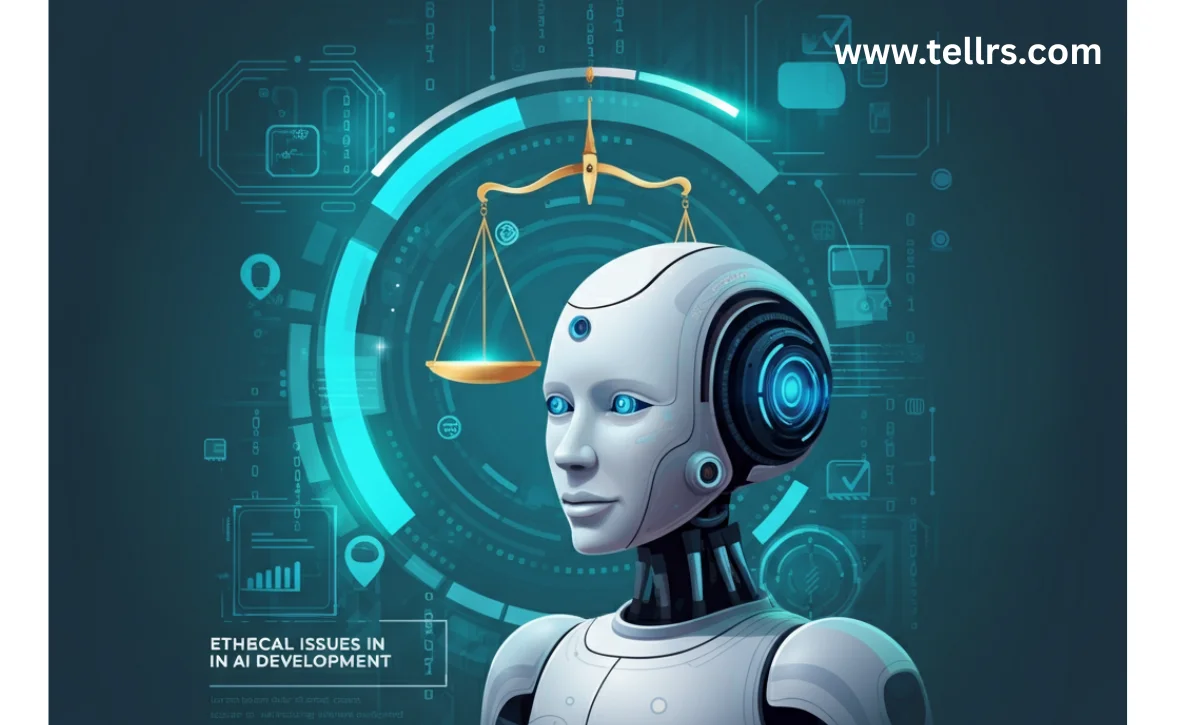
Artificial intelligence is changing how we live, work, and connect with each other. These systems, from devices in our pockets to programs making important decisions, are becoming a bigger part of our daily lives. With this growth, we can’t ignore the serious ethical issues tied to AI development. If we don’t address these challenges, we risk repeating old mistakes—worsening bias, creating new kinds of unfairness, and leaving people behind. That’s why keeping ethics at the heart of technology is more important than ever.
The Problem of Algorithmic Bias
A major issue that keeps coming up is bias in algorithms. When machines learn from data, they can pick up on patterns that reflect stereotypes or unfairness in society. Instead of fixing these problems, algorithms might actually make them worse, especially in areas like hiring, getting loans, or even the justice system.
Where Does Bias Come From?
Bias sneaks in for a few reasons:
- Sometimes the information used to teach the system doesn’t include everyone equally.
- People who organize the data can (often by accident) add their own assumptions and judgments.
How It Affects Us
Let’s say a hiring tool is built on data where certain groups were overlooked in the past. The system could continue that trend, keeping qualified people from getting a fair shot. Or, a facial recognition app might make more mistakes identifying women or people of color, leading to awkward, unjust, or even harmful situations.
Data Privacy and Surveillance Concerns
To work well, these systems often collect a lot of personal information. That opens a can of worms when it comes to privacy. Who has our data? How is it being used? Sometimes, even the experts aren’t sure. And as surveillance technology becomes more powerful, there’s a risk it will be used for monitoring people in ways that cross personal boundaries.
- Data Everywhere: From smart speakers to social media, data is gathered all the time. Many of us don’t even realize the full extent of what’s being collected.
- Watching Eyes: Cameras and sensors are everywhere, and when linked with powerful programs, they can track behaviors in ways we never agreed to.
- Who’s Accountable?: If something goes wrong and our data is misused, it’s not always clear who has to answer for it.
Who’s Responsible? The “Black Box” Dilemma
Many sophisticated AI systems work in mysterious ways—even the creators can’t always explain how a specific decision was made. This “black box” problem makes it hard to know why things happen, which is troubling if you’re on the receiving end of a system’s mistake.
Why We Need Clarity
If a program denies you a service or makes a tough call about your health, you deserve to know why. It’s not just about fixing errors. Transparency is key so we can build trust and spot problems before they do real damage.
What Happens to Jobs?
Automation is already replacing jobs in some industries, and this trend will only grow. While technology spurs new opportunities, millions of people are also at risk of displacement and uncertainty. It’s up to us—companies, leaders, communities—to plan ahead, help people adapt, and provide training for new types of work.
Changing the Workplace
The work that’s easiest to automate is usually repetitive or based on predictable rules. As this shift happens, it’s important that we support people by helping them learn new skills and take on roles that require a more human touch.
Building Systems That Are Safe and Secure
For these technologies to do good, they need to be safe from hackers and misuse. If someone can take over an automated car or a medical assistant, the consequences could be dire. Testing, security measures, and careful oversight are crucial from the very start.
- Constant Risks: Cyberattacks and bugs aren’t just annoyances—they can put people in harm’s way.
- Responsible Design: Developers and businesses need to think about safety with every update and release.
A Path Forward: Responsible AI
There’s no simple answer to all these ethical questions. What matters is that we treat them seriously and involve a wide range of voices in the conversation—developers, lawmakers, ethicists, and regular people alike.
- Create rules and frameworks that encourage fairness.
- Improve transparency at every level.
- Make respect for human values the foundation of every project.
Ethical thinking shouldn’t be an afterthought. It should be the first step of every new idea in this space.
Frequently Asked Questions (FAQs)
1. What’s the biggest ethical challenge in AI?
The risk of bias is one of the most significant challenges, as it can lock in unfair advantages or stereotypes without us realizing it. This can have far-reaching consequences for individuals and entire communities.
2. Why do ethics matter so much here?
Ethical principles guide us to make good choices—especially when technology affects people’s lives. Without them, tools meant to help can cause real harm in unexpected ways.
3. Who takes the blame if an AI system makes a mistake?
There’s no one-size-fits-all answer, but responsibility can fall on the people who build, deploy, or use these systems. Clear guidelines are still evolving to cover these situations.
4. Can anything be done to reduce bias in these tools?
Yes. We can use better data, review decisions often, and stay open to feedback. The most important step is to always question whether a system is being fair.
5. Is it really possible to create ethical AI?
It’s tough, but not impossible. By focusing on fairness, transparency, and human values, we can direct these efforts in a positive direction—even if perfection is out of reach.
you can also read : How to Use AI for Data Analysis

