


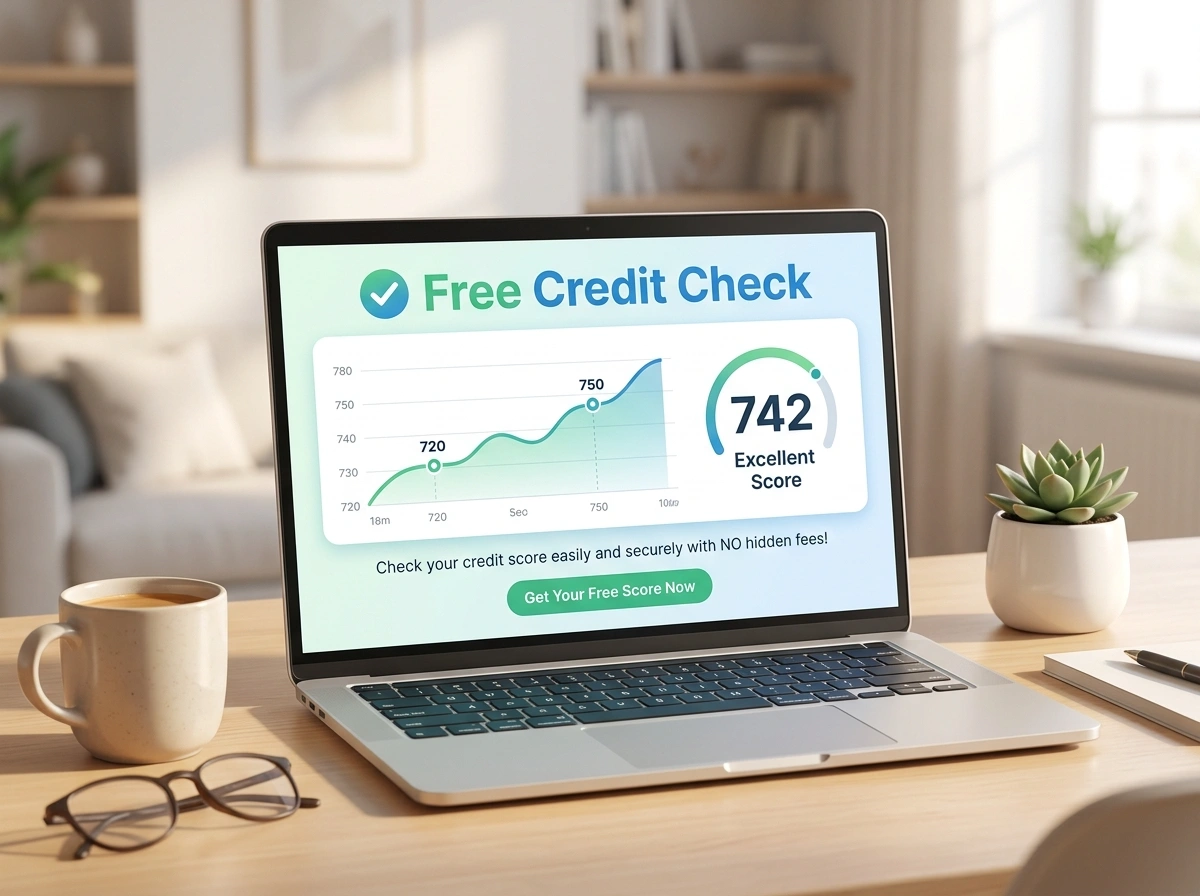
Your credit score quietly shapes some of the biggest decisions in your financial life. It influences whether you qualify for a mortgage, the interest rate on your car loan, and sometimes even your ability to rent an apartment. So it makes sense that you’d want to keep an eye on it. The problem? Plenty of “free” credit score offers come bundled with surprise charges, recurring subscriptions, or sneaky trial periods.
The good news is that you can absolutely check your credit score for free without falling into these traps. This guide walks you through how to do it safely, what warning signs to look for, and how to tell a legitimate offer from a costly one.
Why Checking Your Credit Score Matters
Your credit score is a three-digit number, usually between 300 and 850, that lenders use to gauge how risky it is to lend to you. A higher score signals reliability, which often translates into better rates and approval odds.
Monitoring your score regularly helps you in three key ways:
- Catch errors early. Mistakes on credit reports are more common than people assume, and they can drag your score down.
- Spot identity theft. Sudden, unexplained changes may signal fraudulent activity.
- Track your progress. If you’re working to improve your credit, regular checks show whether your efforts are paying off.
Here’s the part that matters most: checking your own score is a “soft inquiry.” It does not hurt your credit. Don’t let any service convince you otherwise.
Free Doesn’t Always Mean Free
The word “free” gets thrown around loosely in the credit industry. Some companies advertise a free score, then ask for your credit card “just to verify your identity.” A few days later, you’re enrolled in a monthly monitoring plan you never intended to join.
These hidden fees usually show up in a few predictable forms:
- A “free trial” that auto-converts to a paid subscription
- A small upfront charge framed as a refundable deposit
- Bundled add-ons like identity protection you didn’t ask for
- Charges to “unlock” your full report after showing only a partial score
Knowing these patterns is half the battle. Once you recognize them, they become much easier to dodge.
Step-by-Step: How to Check Your Credit Score Safely
Follow these steps to access your score without handing over money or exposing yourself to risk.
Step 1: Confirm What You’re Actually Getting
Before you sign up for anything, read the fine print. A genuine free service tells you clearly:
- Which score model it uses (FICO or VantageScore)
- Which credit bureau the data comes from
- Whether the service is truly free or a limited trial
If this information is buried or missing, treat that as a red flag.
Step 2: Choose a Reputable Source
Stick to providers with a clear track record and transparent terms. Many banks and credit card issuers now offer free score access right inside their apps, with no strings attached. You can also use a trusted standalone service such as this free credit link to view your score without committing to a paid plan.
When evaluating any provider, ask yourself: Does it explain exactly what it offers? Is the privacy policy easy to find? Reliable services answer “yes” to both.
Step 3: Avoid Entering Payment Details for a “Free” Score
This is the single most important rule. A legitimate free credit score check should never require a credit card or bank account number. If a site asks for payment information to show you something it advertised as free, close the tab.
Step 4: Review Your Score and Report Together
Your score is a snapshot, but your credit report tells the full story. When you check your score, look at the factors influencing it:
- Payment history
- Amounts owed and credit utilization
- Length of credit history
- New credit inquiries
- Credit mix
Understanding these factors helps you act on the number instead of just glancing at it.
Step 5: Set a Schedule
You don’t need to check daily. Reviewing your score once a month is plenty for most people. Some free tools update your score weekly or monthly, which is more than enough to spot meaningful changes.
How to Tell If a Free Credit Offer Is Legitimate
Not every offer that looks polished is trustworthy. Use this quick checklist to vet any service before you commit.
Green flags:
- Clear, upfront language about what’s free and what isn’t
- No request for payment details to view a basic score
- A visible, readable privacy policy
- A recognizable company name or one tied to a known bank or issuer
- Secure connection (look for “https” in the address bar)
Red flags:
- Pressure to “act now” or limited-time countdown timers
- Vague wording around “trials” and “billing cycles”
- Requests for your full Social Security number on an unsecured page
- No clear way to cancel or contact support
- Spelling errors, broken links, or a site that feels hastily built
If you remember one thing, let it be this: transparency is the hallmark of a trustworthy service. Anything that hides its terms is hiding something.
Common Pitfalls to Avoid
Even careful consumers slip up. Here are the mistakes that catch people most often.
Confusing a free trial with a free service. A trial has an end date and usually a price attached afterward. Always note when a trial converts to paid.
Ignoring auto-renewal terms. If you do sign up for a trial, set a calendar reminder to cancel before the billing date. Companies count on you forgetting.
Assuming one score is the only score. You have multiple scores across different bureaus and models. A small difference between them is normal, so don’t panic if numbers vary slightly.
Sharing sensitive details on unsecured sites. Never submit your full Social Security number on a page that doesn’t use encryption.
Mistaking score checks for credit damage. Checking your own score is always a soft inquiry. It will never lower your number.
Best Practices for Long-Term Credit Health
Checking your score is only the beginning. To make those numbers work in your favor, build a few simple habits.
- Pay every bill on time. Payment history carries the most weight in your score.
- Keep credit utilization low. Try to use less than 30% of your available credit.
- Avoid opening too many accounts at once. Each hard inquiry can ding your score temporarily.
- Keep older accounts open. A longer credit history generally helps.
- Review your full report regularly. Catching errors early protects your score over time.
Small, consistent actions compound. The goal isn’t a perfect score overnight—it’s steady, sustainable improvement.
Conclusion
Checking your credit score should be simple, safe, and genuinely free. By sticking to transparent providers, refusing to enter payment details for a basic score, and watching for trial-to-paid traps, you can stay informed without spending a cent.
Make it a habit to review your score monthly, understand the factors behind it, and act on what you learn. A clear view of your credit puts you in control—and that control is what helps you make smarter financial decisions for years to come.

