


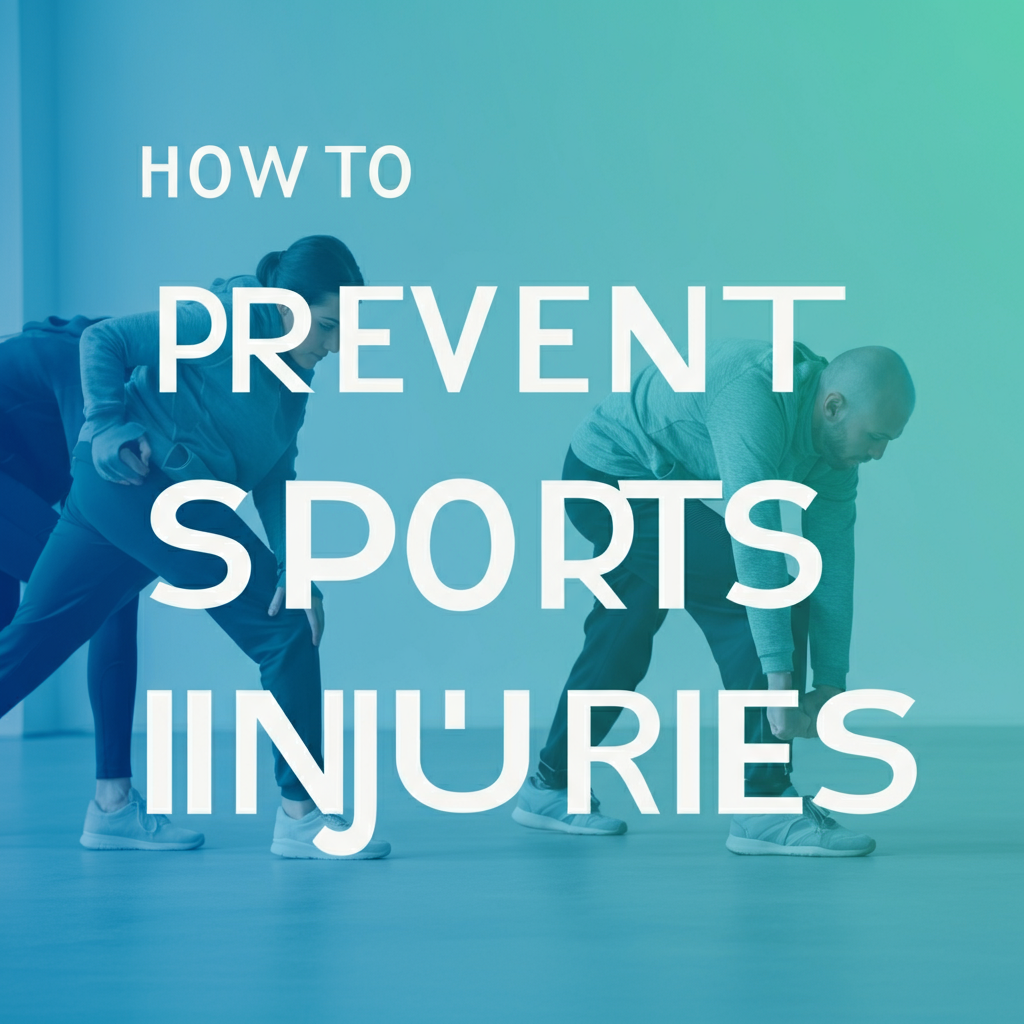
Getting involved in sports is one of the best things you can do for your body and mind. But nothing can ruin your season—or even your year—like getting hurt. No matter if you love pickup basketball on the weekends or compete at a high level, learning how to prevent sports injuries will help keep you on the field, track, or court longer. In this article, you’ll find hands-on tips to stay safe, healthy, and active.
The Importance of a Proper Warm-Up
Diving right into tough physical activity without warming up is a surefire way to land yourself on the sidelines. Warming up lets your heart rate climb slowly and sends more blood to your muscles, getting your body ready for movement.
Dynamic Stretching
Skip the old-school static stretches before you get moving. Instead, try active stretches—think jumping jacks, arm swings, or high knees. These dynamic stretches are much closer to how your body will move during the game. Learn more about dynamic stretching benefits from Healthline.
Sport-Specific Movements
Make your warm-up count by including moves that mimic your sport. If you play soccer, do some light passing and footwork drills. Runners, start with a brisk walk or easy jog before picking up the pace. This wakes up the muscles you’ll use most.
Use the Right Equipment
The best athletes know their gear matters. Ill-fitting shoes or missing safety equipment can turn a fun game into a trip to urgent care, so it’s important to understand the importance of proper sports equipment as emphasized by experts at the Mayo Clinic.
- Footwear: Make sure your shoes fit well and are meant for your activity. Worn-out shoes cause injuries—if they’re more than a year old or look run down, swap them out.
- Protective Gear: Helmets, pads, and mouthguards aren’t just for the pros. Always check for a snug fit and make sure everything is in good working order.
- Clothing: Wear clothes that let you move freely and help wick away sweat so you stay comfortable and avoid overheating.
Technique and Form Matter
Even seasoned athletes can get sloppy with form, and that’s when injuries creep in. Putting in the effort to master your technique will pay off for both performance and long-term health.
Seek Professional Guidance
Working with a coach can make a huge difference. They’ll spot bad habits you might not notice and help you fix them before they become a problem. Taking lessons or clinics pays off with fewer injuries and greater confidence.
Listen to Your Body
Don’t brush off pain—your body is trying to tell you something. While mild soreness is normal after a tough practice, sharp or nagging pain is your cue to rest and recover.
Smart Training and Conditioning
Finding the sweet spot in training takes discipline. Pushing too hard or not enough can make you more vulnerable to injuries, so a balanced plan is key.
- Strength Training: Building overall strength gives your joints extra protection. Don’t just focus on your main sport muscles—work in exercises for smaller, supporting muscles too.
- Cross-Training: Mix up your workouts. Try swimming, cycling, or another sport to work your body in new ways and avoid overuse injuries.
- Flexibility: Stretch after your workout, when your muscles are warm. This keeps you limber and helps prevent pulls or strains.
The Role of Rest and Recovery
It’s tempting to go all out every day, but your body needs breaks to get stronger. Skipping rest risks leaving you tired, sore, and more easily injured.
Prioritize Sleep
Sleep isn’t optional—it’s when your muscles rebuild and your body recovers. Most athletes should aim for at least 7-9 hours each night to wake up refreshed and ready for another great practice or game.
Conclusion: Play it Safe to Play Longer
Staying injury-free isn’t just about luck—it’s about making smart choices every time you play. Take time to warm up, wear proper gear, practice good form, train wisely, and actually allow yourself to rest. These habits don’t just keep you off the sidelines; they help you play better and enjoy your sport for years to come.
Frequently Asked Questions
1. What’s the most effective way to prevent sports injuries?
Warming up thoroughly is a game-changer for reducing injuries. It’s also essential to pay attention to pain and not try to push through if something feels wrong.
2. How long should I spend warming up?
Aim for at least 10 to 15 minutes of warm-up activity. You want your body to feel ready, but not worn out, before getting started.
3. Should I stretch before or after workouts?
Do dynamic stretching before to prepare your body for movement, and save static stretches for after to help your muscles recover.
4. What are signs that I’m pushing myself too hard?
Watch for constant soreness, fatigue, or performance dips. These are warning signs—listen to your body and factor in more rest.
5. Can your diet help in avoiding injuries?
Absolutely—a balanced diet fuels muscle repair and builds strong bones. Staying well-hydrated and eating a variety of nutrient-rich foods supports recovery and resilience.
you may also read : Tips for Staying Motivated in Sports

